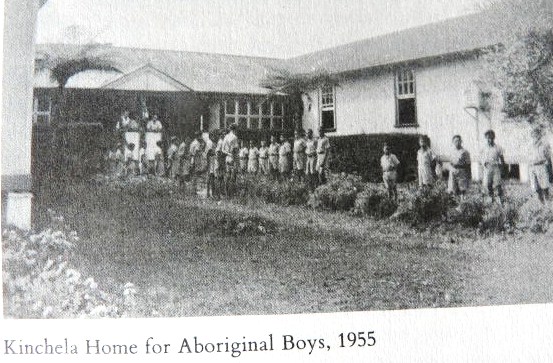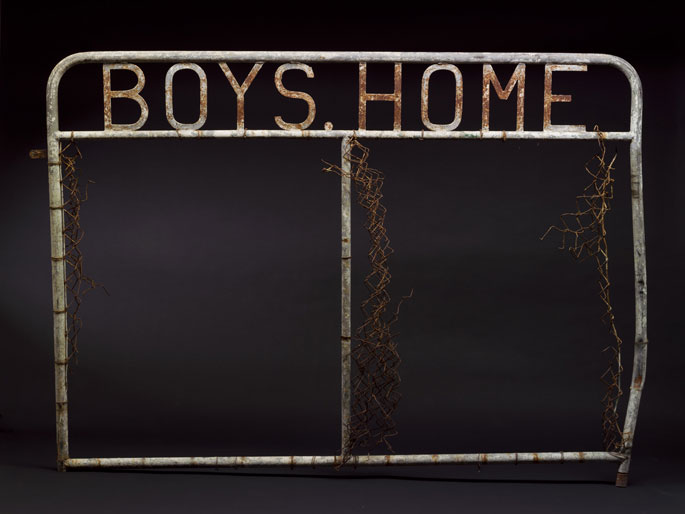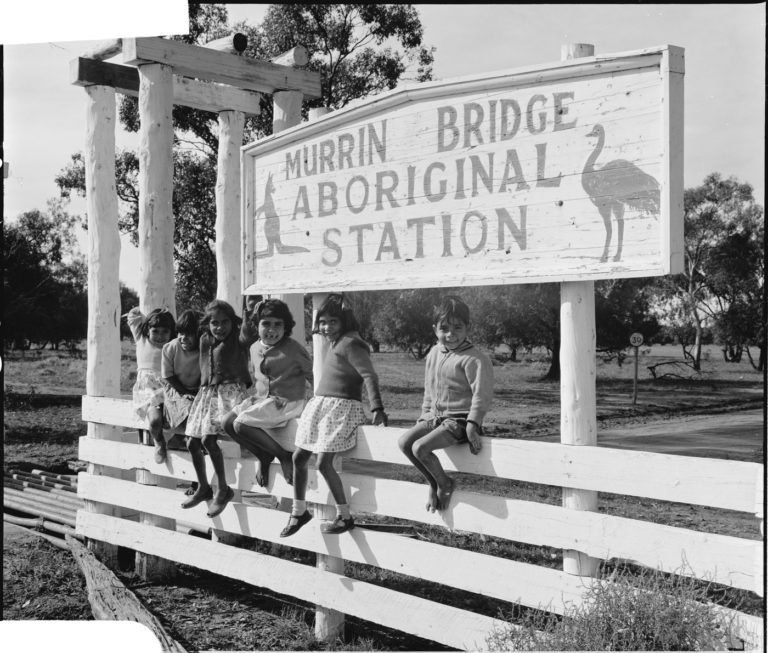
The Aborigines Welfare Board was created in 1940, under the Aborigines Protection (Amendment) Act 1940. It replaced the Aborigines Protection Board and was supposed to modernise Aboriginal welfare but it continued many of the Protection Board’s policies towards children. It was abolished in 1969 and replaced by the Aborigines Welfare Directorate. Responsibility for Aboriginal children was then transferred to the Department of Youth and Community Services.
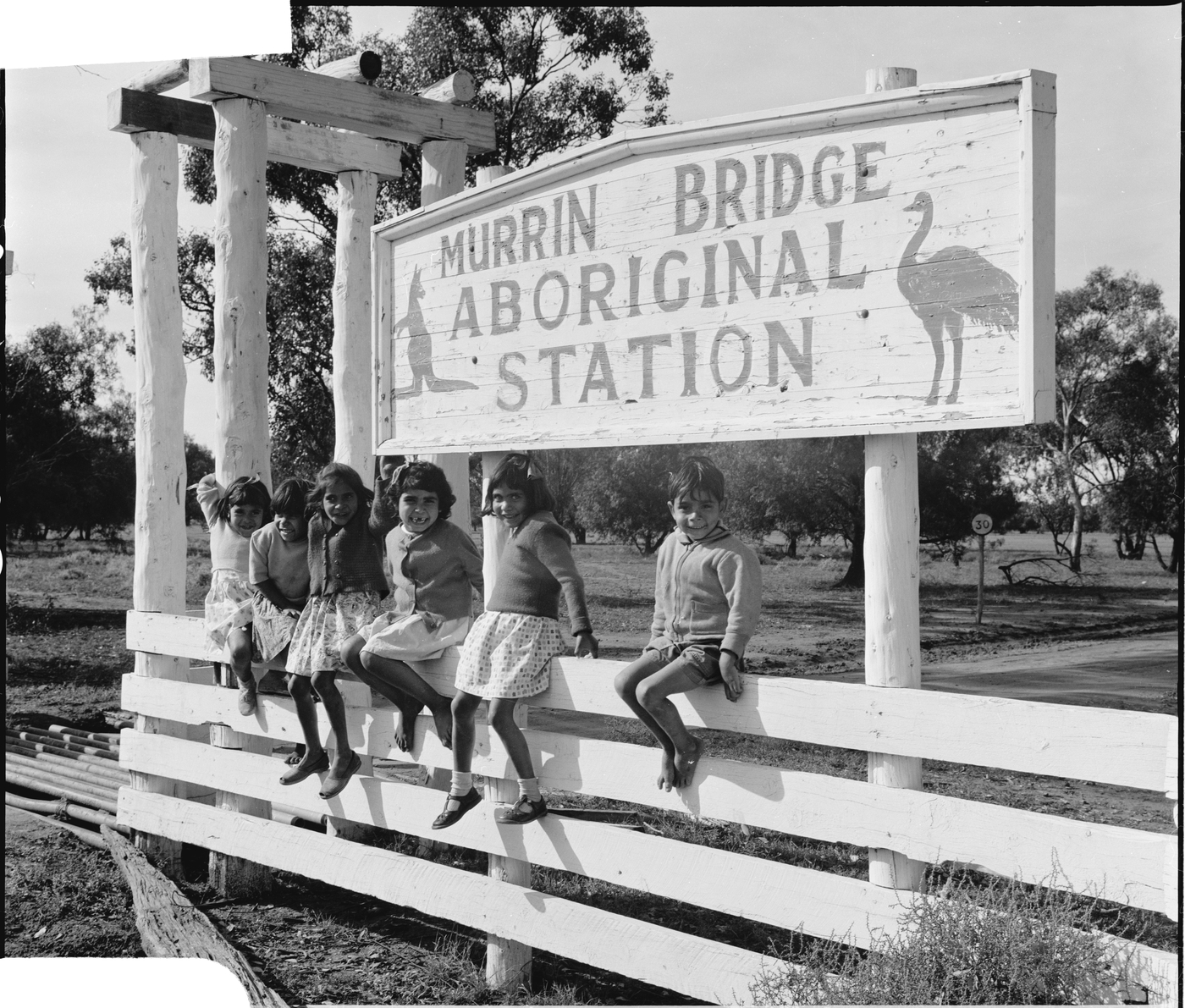
The policy of the Aborigines Welfare Board was to encourage the assimilation of Aborigines into the general community. The Board sponsored the erection of houses for leasing and provided housing loans to the Aborigines. It exercised general supervision over matters affecting the welfare of Aborigines, managed the Aboriginal stations and reserves, provided for the custody and maintenance of Aboriginal children whose parents were unable to care for them and provided scholarships, travelling expenses, uniforms, textbooks, etc. for children of necessitous Aboriginal families.
The Aborigines Protection (Amendment) Act 1943 gave the Aborigines Welfare Board the power to issue Exemption Certificates. The Aborigines Welfare Board argued the certificates were a key to ‘assimilation’, and would enable Aboriginal people to enjoy the rights and privileges of white society so they could eventually blend in. This included the right to leave the state, receive some government benefits (including the old age pension, which was denied to people who lived on reserves or stations), live with less interference from the Board and to drink alcohol. Some Aboriginal people sought exemption certificates as a way of shielding their children from removal by the Aborigines Welfare Board.
However, people who had an exemption certificate were not allowed to enter or stay on Aboriginal reserves and stations, even if they were visiting relatives. This interfered with Aboriginal family life, as it discouraged people from seeing each other. People could also lose their certificates for misdemeanours, intoxication or even arguing with a Board representative. The need to show them to police officers was a source of humiliation, earning them the nickname ‘dog tags’.
Exemption certificates were not needed after the 1967 Referendum established that Aboriginal people had full civil rights and they were abolished by the Aborigines Act 1969.
The 1943 amendment also made provision for Aboriginal people to serve on the Board as representatives for their people.
The Aborigines Welfare Board held its final meeting on 29 April 1969 and was replaced by the Aborigines Welfare Directorate. Responsibility for Aboriginal children and welfare services to Aboriginal people was transferred to the Department of Child Welfare and Social Welfare (later the Aborigines Services Branch, Youth and Community Services).