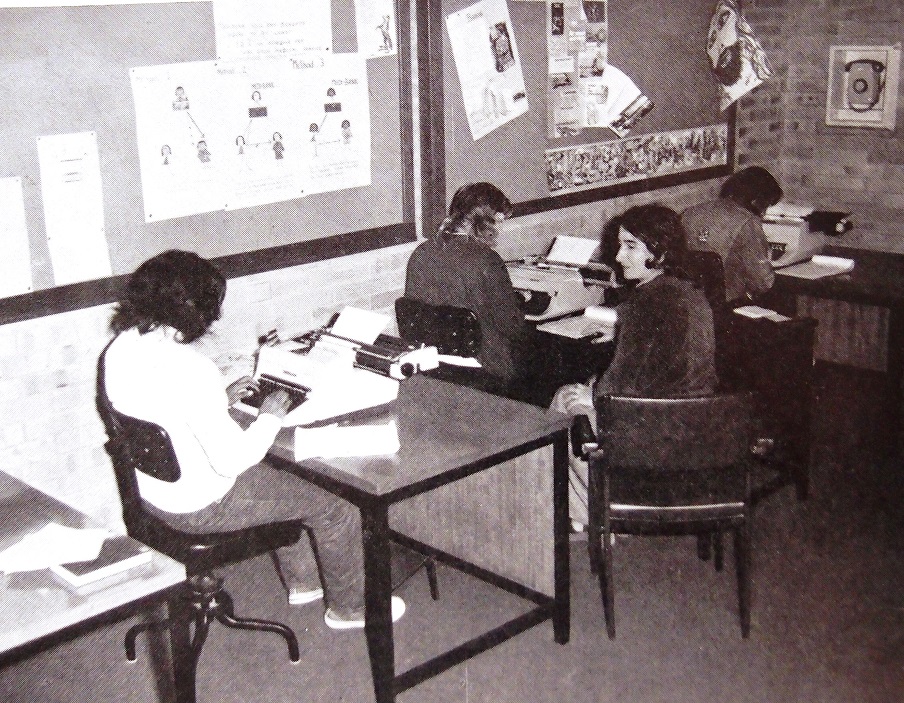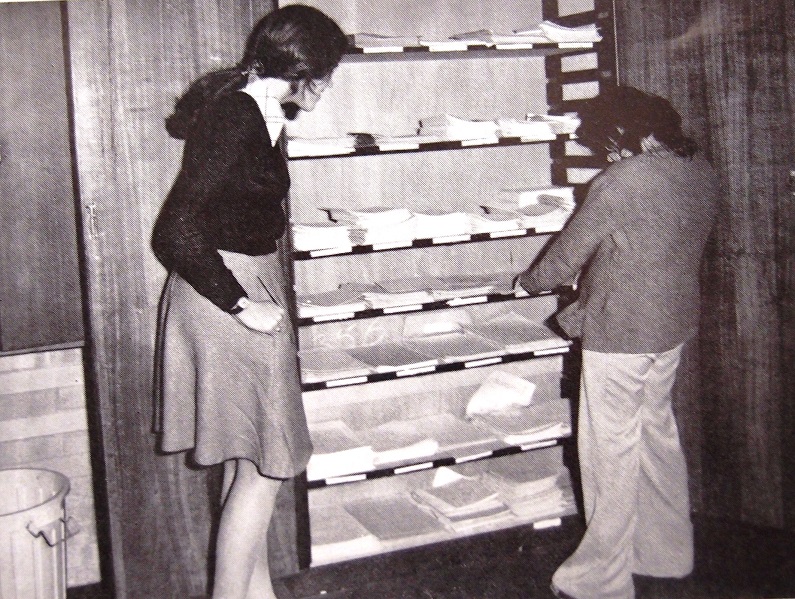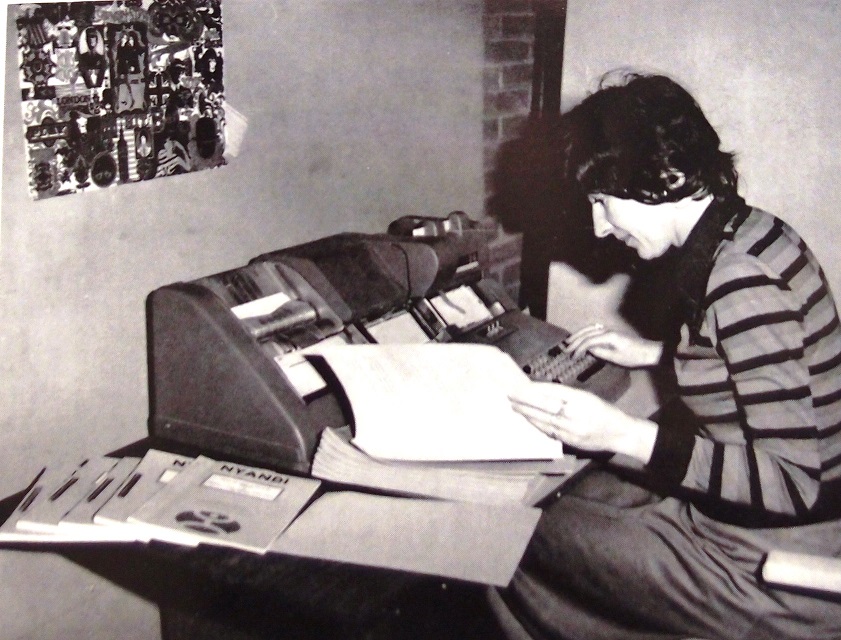
Nyandi was established by the Child Welfare Department in Bentley in 1970 as a maximum security female youth detention centre for up to 30 adolescent girls on a campus that included a 10-bed residential unit (Gwyn-lea). From 1986, Nyandi also admitted boys aged 12-14 years, and from 1989 young people on remand were admitted. In 1991, Nyandi became part of the Longmore Training Centre. Nyandi closed briefly in late 1992 and re-opened in February 1993, continuing to provide secure detention. The facility was transferred to the Ministry of Justice in 1993 and continued as a youth detention centre until 1997.
Nyandi was established as a detention centre for up to 30 teenage girls, with provision for academic, vocational and social skills training. From the outset staff at Nyandi, which was run by the government departments responsible for child welfare, were actively engaged in research on the methods of ‘training and socialisation’ that were most effective with the young women committed to the institution.
Not all girls were committed by the courts, according to government reports in the 1970s (Signposts 2004) with some residents being placed in Nyandi to access the specialised social training program offered there. ‘Unacceptable behaviour in the community’ was a common cause for admission. By 1980, Nyandi was a complex of accommodation options and programs that included the main ‘secure unit’ in Bentley, three residential hostels and what was described as a ‘comprehensive after-care service’. Aboriginal and non-Aboriginal girls were admitted.
In 1984, an inquiry into the treatment of juvenile offenders in Western Australia confirmed (Signposts 2004) that young women admitted to Nyandi fell into two ‘categories’: those who were classed as ‘welfare preventive cases’ – with behaviours that authorities believed would ‘put a girl at risk’; and those who were ‘offenders’ with criminal convictions.
There were three hostels associated with Nyandi’s secure complex, which was also known as Pineview or the ‘Pineview Long Stay Programme’. Gwynne-Lea was situated in the grounds of Nyandi; Karingal was in Melville; and Watson Lodge (which by 1984 was non-residential), was in West Perth.
From June 1986, boys aged 12 to 14 years were admitted to Nyandi’s secure detention unit.
In its annual report for 1992 (p.117) the Department for Community Services reported that Nyandi had ‘combined with’ the Longmore Training Centre in October 1991. The 1993 annual report of the Department for Community Development (p.75) shows that Nyandi closed briefly in late 1992 and re-opened in February 1993.
On 1 July 1993, Nyandi (along with other youth justice institutions) became the responsibility of the Ministry of Justice.
Nyandi closed in October 1997. The Office of the Inspector for Custodial Services (2002, p.9) said that the buildings were ‘deemed inappropriate for young female offenders’, who were transferred to the new youth detention facility, Banksia Hill.
Nyandi was then, according to a 2004 report (Salomone, p.2), ‘mothballed’ but was re-opened by the Ministry of Justice as a prison for adult women on 14 December 1998.
From
1970
To
1997
Alternative Names
Nyandi Treatment Centre
Nyandi Girls’ Treatment Centre
Nyandi Training Centre
Nyandi Juvenile Instiution
1970 - 1997
Nyandi was located off Adie Court, Bentley, Western Australia (Building Still standing)
Subsequent