


On 10 August 1987, the then Prime Minister Robert J Hawke announced the formation of a Royal Commission to investigate the causes of deaths of Aboriginal people while held in State and Territory gaols. The Royal Commission was established in response to a growing public concern that deaths in custody of Aboriginal people were too…
The Wood Royal Commission ran from 1995 to 1997 and investigated allegations of corruption against members of the New South Wales Police Force. This was a wide-ranging inquiry that also, by investigating allegations of child abuse, made recommendations that affected the administration of child protection in New South Wales. Important allegations raised at the inquiry…
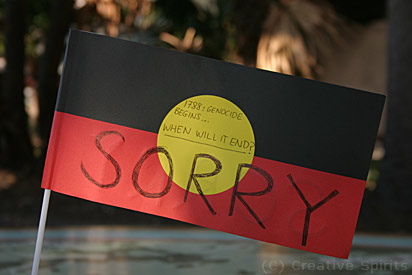
On 13 February 2008, then Prime Minister Kevin Rudd opened the Parliament of Australia by apologising to the Indigenous peoples of Australia. The Prime Minister said: We apologise for the laws and policies of successive Parliaments and governments that have inflicted profound grief, suffering and loss on these our fellow Australians. We apologise especially for…
On 22 October 2018, the Prime Minister, the Hon Scott Morrison MP, apologised to victims and survivors of institutional child sexual abuse on behalf of the Australian Government, and all Australians. The Prime Minister apologised for the appalling endured by survivors of institutional child sexual abuse, and acknowledged the longlasting effects of this abuse. The…
The significance of World War One, and the role this event plays in the history of the institutional ‘care’ of Australian children is an emerging area of research. Clearly, the departure of thousands of Australian men to fight with Britain had a great impact on society, families, and children. Many households had to adjust to…
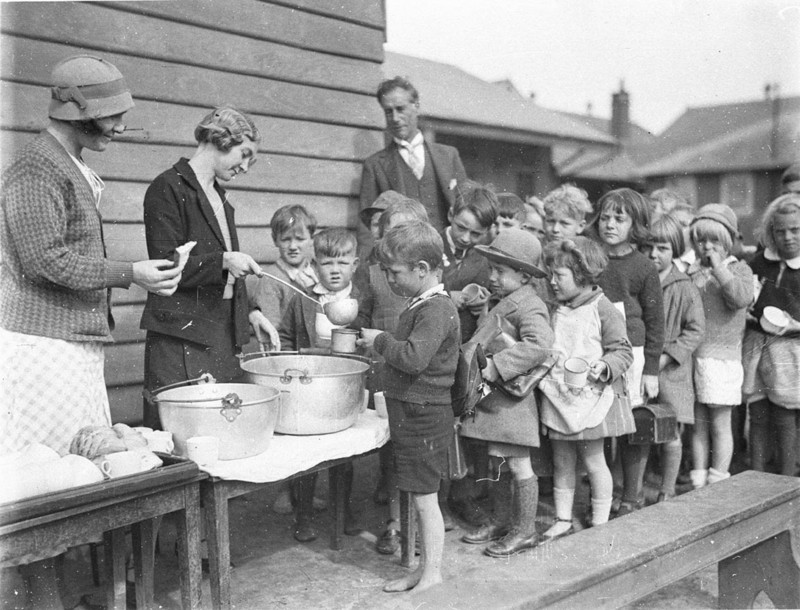
The Great Depression, generally accepted as beginning with the stock market crash in the United States of America in October 1929, was a time of hardship for many people in Australia. By 1932, about 30% of Australian workers were unemployed. The high unemployment and poverty during this period had a great social impact, with many…
The Royal Commission into Institutional Responses to Child Sexual Abuse was announced on 12 November 2012 by Prime Minister Julia Gillard. Its terms of reference were wide-ranging, examining how institutions had responded to child sexual abuse, both in the past and present. The Royal Commission investigated a wide range of institutions including religious organisations, state…
The significance of World War Two, and the role this event plays in the history of the institutional ‘care’ of Australian children is an emerging area of research. It is evident that World War Two, directly or indirectly, was a factor in thousands of children’s placement in ‘care’ in the mid-twentieth century. The Alliance for…
On 16 November 2009, the Australian Parliament issued an apology to Forgotten Australians and former child migrants. The Apology in November 2009 was an endorsement of Recommendation 1 from the ‘Forgotten Australians’ report of 2004, which read: That the Commonwealth Government issue a formal statement acknowledging, on behalf of the nation, the hurt and distress…
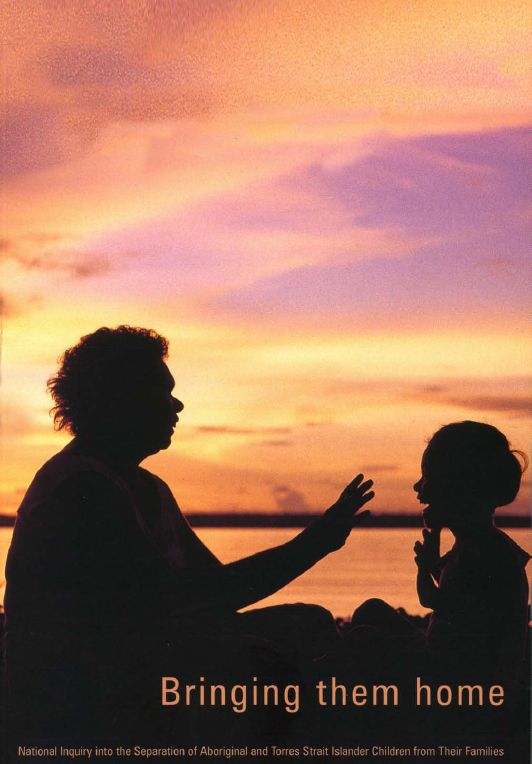
The National Inquiry into the Separation of Aboriginal and Torres Strait Islander Children from Their Families was established by the Federal Attorney-General in 1995. It was conducted by the Human Rights and Equal Opportunity Commission (HREOC). In April 1997, the Commission handed down the report, Bringing them Home: Report of the National Inquiry into the…
Dec 17, 2025
Dec 18, 2024
Nov 15, 2024