


Juvenile justice is the system of dealing with crimes committed by children and minors through courts, probation and detention programs. As early as the 1840s it was recognised that young offenders should receive different treatment to adults. The first colonial laws to tackle children’s criminal behaviour were passed in the 1860s. Since this time, the…
In Moral Danger (sometimes abbreviated as IMD) was a term in common use in government departments and welfare agencies in the twentieth century. It referred to one of the categories of a ‘child in need of care and protection’ under the various child welfare acts in Australian states and territories. Being ‘exposed to moral danger’…
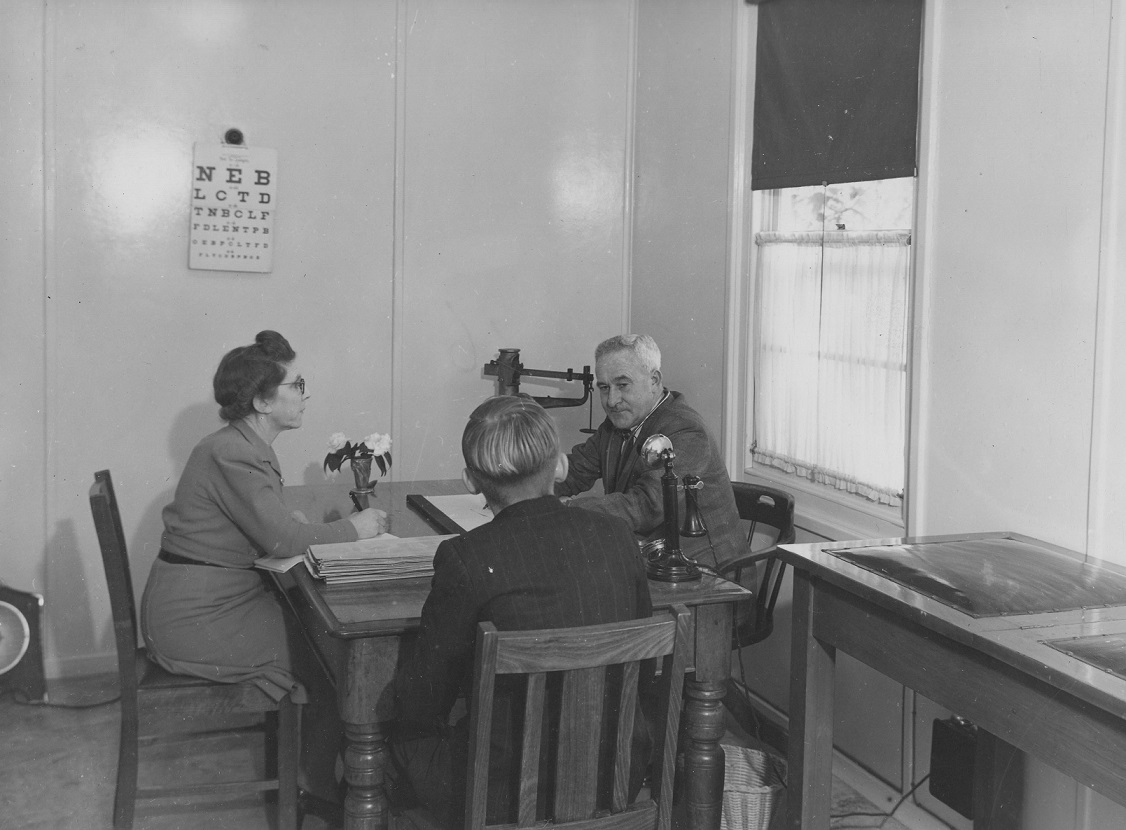
Child guidance clinics were first established in Australia in the 1930s. Such clinics had been developed in the United States in the 1920s, for the diagnosis and treatment of mild behaviour and emotional problems in school-aged children (Wright, 2012). An important motive in the development of child guidance clinics was to counteract ‘juvenile delinquency’, but…
Apprenticeship was the practice of sending children in institutions or foster care into placements with employers once they were too old to attend school. It was not a trade apprenticeship as such, and generally meant children were sent to live in a private home to work as a farm labourer (for boys) or a domestic…
The Australian Institute of Health and Welfare defines adoption as “The legal process by which a person legally becomes a child of the adoptive parent(s) and legally ceases to be a child of his/her existing parent(s)”. In Australia, each state or territory has its own adoption legislation and its own policies and processes. In the…
Aboriginal schools were separate public schools in New South Wales. They were created because Aboriginal children were legally required to attend school, but could be excluded from public schools if non-Aboriginal parents complained about their presence. The syllabus for Aboriginal Schools stopped at Grade 3, meaning children attending them were disadvantaged. Teachers in Aboriginal Schools…
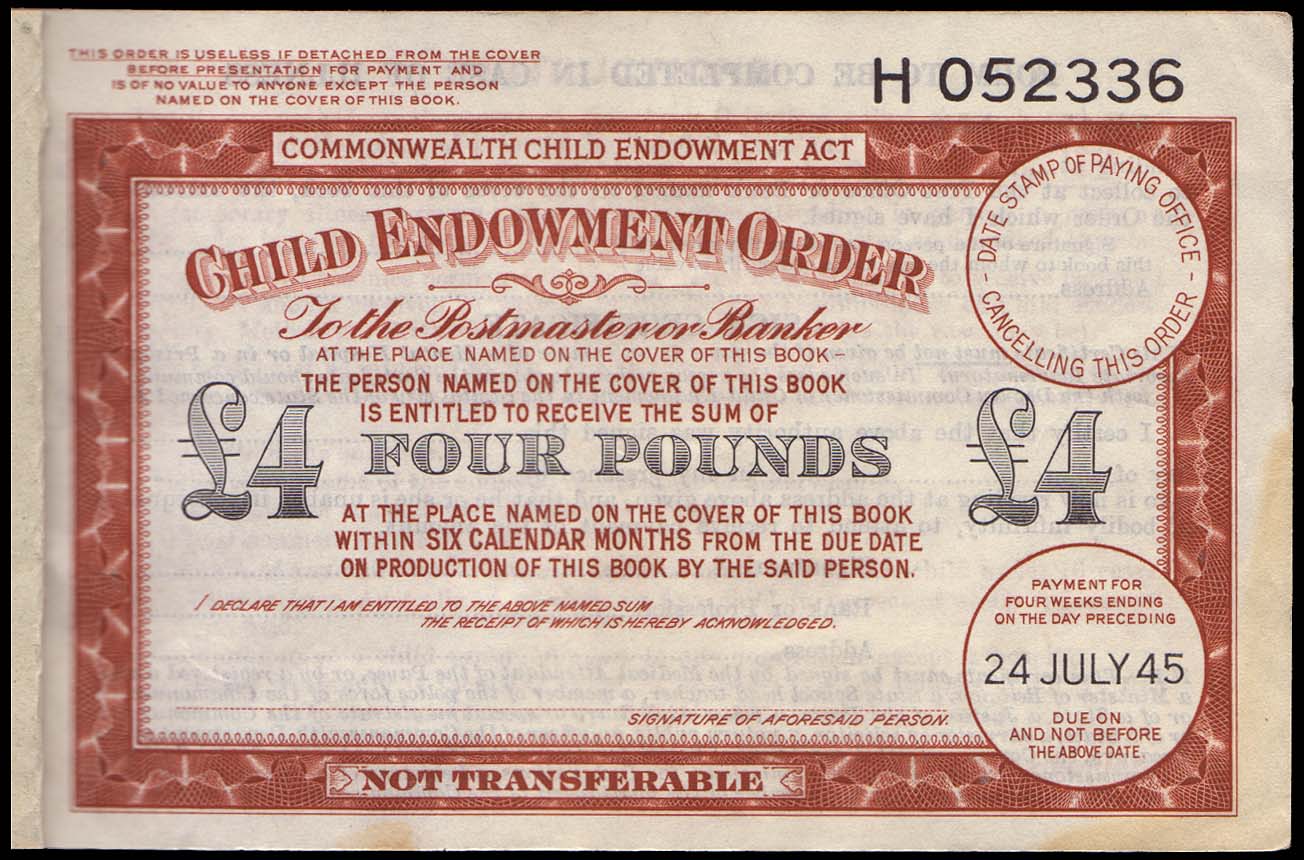
Child Endowment was a non-means tested, universal allowance introduced by the Commonwealth government in 1941. The Child Endowment Act 1941 provided that a sum of 5 shillings per week, for each child after the first under the age of 16 years, be paid directly to the mother. Under the original legislation, child endowment could not…
Institutional care is a term that refers to the system of residential care for children, generally in the nineteenth and twentieth centuries. From around the 1940s, state and territory governments in Australia began to phase out the use of large institutions for children (such as orphanages and reformatories). Other models introduced from this time included…
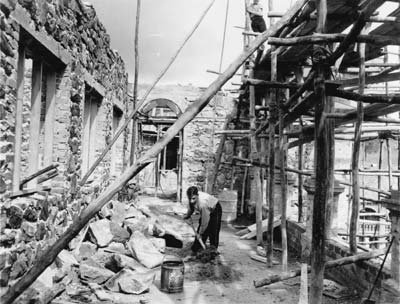
Child labour, according to the International Labour Organisation, is a term that refers to the employment of children in any work that deprives them of their childhood, interferes with their ability to attend regular school, that is mentally, physically, socially or morally dangerous and harmful. For the vast majority of children who were in institutional…
Status offender is a term that describes a person who is legally charged with an offence, but has not actually committed a criminal act. Rather, the ‘offence’ is more to do with the person’s personal condition or characteristics. In the context of child welfare in Australia, children and young people charged with ‘neglect’, or ‘exposed…

Dec 17, 2025

Dec 18, 2024

Nov 15, 2024