


Training Homes (also known as Training Schools) were institutions where children and young people could learn habits of hard work and respectability, as well as skills suited to the workforce. In the early twentieth century, the work skills usually involved domestic service for girls and farm labour for boys. Later on the occupations considered suitable…
Medical experiments on children in institutions happened in the nineteenth and twentieth centuries in Australia. The first documented experimentation on children in institutions in Australia was in 1803, where it was reported that John Savage, Assistant Surgeon of the New South Wales Colony, was “trying the effects” of the smallpox vaccine on “some of the…
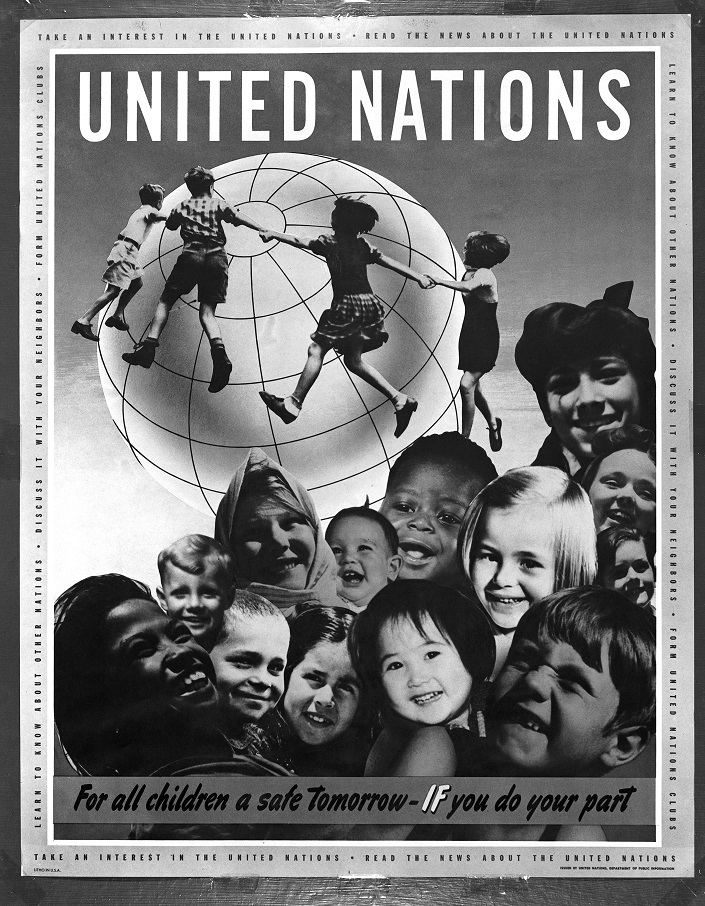
The Declaration of the Rights of the Child set out ten principles related to children’s rights. The Declaration was adopted by the United Nations General Assembly on 20 November 1959. Click here to see the full Find & Connect glossary
The Australian Institute of Health and Welfare defines adoption as “The legal process by which a person legally becomes a child of the adoptive parent(s) and legally ceases to be a child of his/her existing parent(s)”. In Australia, each state or territory has its own adoption legislation and its own policies and processes. In the…
The Stolen Generations are Aboriginal and Torres Strait Islander people who, when they were children, were taken away from their families and communities as the result of past government policies. Children were removed by governments, churches and welfare bodies to be brought up in institutions, fostered out or adopted by white families. The removal of…
Law in the Northern Territory (NT) needs to be understood in light of the history of the territory’s governance. From 1863 until 1911, the territory was known as the Northern Territory of South Australia, having been annexed to the Colony of South Australia by the British Government. The position of Government Resident was responsible for…
Adoption is the legal transfer of guardianship of a child, relinquished by its natural parent(s), to another person. The first legislation to provide for legal adoption of children in the Northern Territory was the Adoption of Children Ordinance 1935 (Commonwealth). In 2019, adoption is governed by the Adoption Act 1994. Click here to see the…
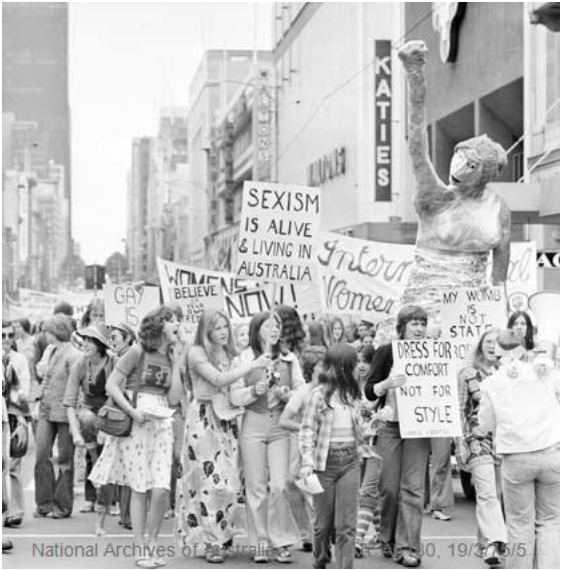
The Supporting Mother’s Benefit was a Commonwealth allowance introduced in 1973 by the Whitlam government. It extended equal access to income support to all single mothers. In November 1977, it was replaced by the Supporting Parent’s Benefit, with sole fathers becoming eligible for payments. This payment made it possible for many single mothers to keep…
The Widows’ Pension was a Commonwealth allowance introduced to enable widows with dependent children to stay at home and look after them, rather than having to go out to work to keep the family from destitution. From October 1942 until 1976, the Widows’ Pension was exempt from income tax. Single mothers, de facto wives and…
Open adoption is when an adoption occurs with no secrecy, the child can know who their birth parents are and the birth parents have the right to keep in contact with the child. It can be compared to closed adoption practices of the twentieth century and the effects these had on many people involved in…
Dec 17, 2025

Dec 18, 2024
Nov 15, 2024