


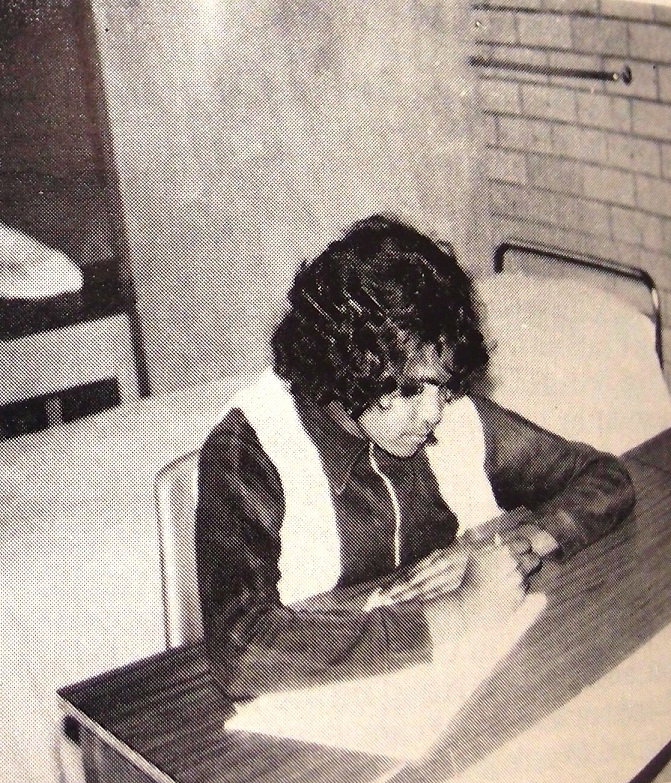
Aboriginal Education and Employment Hostels were operated by the Western Australian Department of Native Welfare from 1950 to 1972, and then came under the administration of the Department for Community Welfare and its successors. They were set up to provide accommodation for young Indigenous people who needed to come to the metropolitan area, or large…
The Commissioner of Native Welfare was an official role created by the Native Welfare Act 1954 (WA), replacing the Commissioner for Native Affairs. The Commissioner was the head of the Department of Native Welfare, and the legal guardian of every Aboriginal child in Western Australia to the age of 21 years, except those children made…
The Commissioner for Native Affairs was an official role created by the Native Administration Act 1936 (WA), replacing the Chief Protector of Aborigines. The 1936 Act also created the Department of the Native Affairs, of which the Commissioner was head, and extended the powers of that role. The Commissioner was the legal guardian of every…
Aboriginal Protection is a term that was commonly used in the nineteenth and twentieth centuries to describe the policies and laws that regulated the lives of Aboriginal people. From the 1880s Aboriginal people in Western Australia, including children, were controlled by specific Protection Acts. From the 1930s, the central aim of these Acts was to…
Absconding is a term used to describe the act of running away or escaping from an institution, foster home or other place of care. The report of the 2004 Senate “Forgotten Australians” inquiry stated that ‘absconding was a widely reported practice’ in children’s institutions around Australia. Various child welfare laws around Australia made absconding or…
Service children refers to those young people who were under the guardianship of the Western Australians departments responsible for the ‘care’ and protection of children. Service children had been placed in employment with employers who had entered into a service agreement. The service agreement was between the employer and the department or other authorised institution…
The Australian Institute of Health and Welfare defines adoption as “The legal process by which a person legally becomes a child of the adoptive parent(s) and legally ceases to be a child of his/her existing parent(s)”. In Australia, each state or territory has its own adoption legislation and its own policies and processes. In the…
Maternity Homes were institutions that provided residential accommodation to pregnant women, usually single women, and they often functioned (officially or not) as adoption agencies. Women gave birth in maternity homes attended by a midwife. Many maternity homes were also ‘rescue homes’ which tried to reform the young mothers. These institutions were sometimes known as lying-in…
Juvenile delinquency was a term used to describe the behaviour of children and young people who are committing criminal offences, or thought likely to commit offences, at a young age. This behavior could include vandalism, truancy, stealing, fighting, running away from home or being sexually active. Many children in institutions were labelled as delinquents, or…
Clean break theory provided a basis for many adoptions in the twentieth century. The theory is based on the idea that babies’ characteristics are formed by their environment rather than their genes. There was a widespread belief that a “clean break” was beneficial for the personality development of babies of single mothers, and that they…
Dec 17, 2025

Dec 18, 2024

Nov 15, 2024