


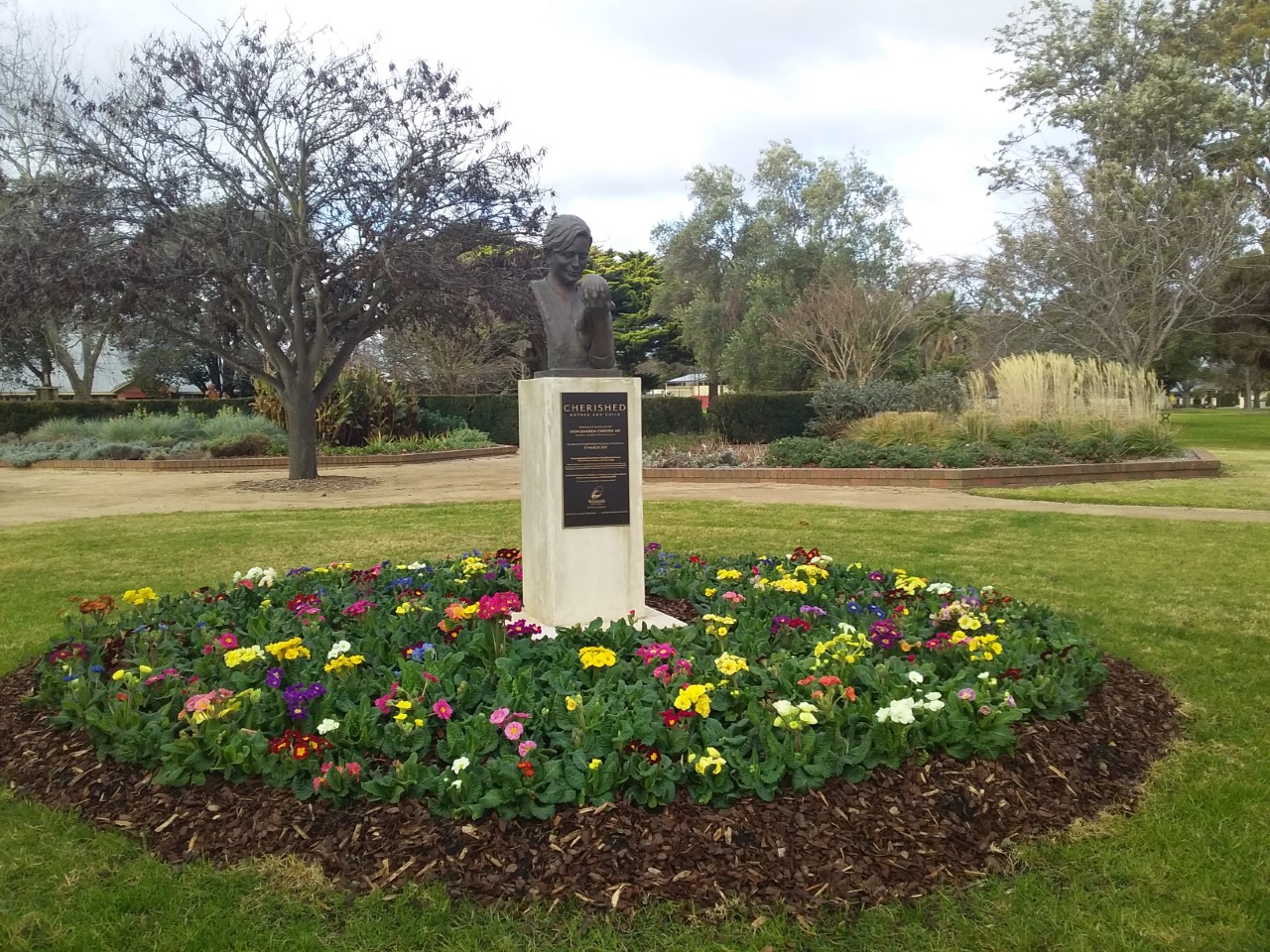
Forced adoption (or forced family separation) are the terms now used to describe the practices where many pregnant unwed women (and their partners) were subjected to unauthorised or illegal separation from their children. From the 1950s to the early 1970s, the prevalence of forced adoption in Australia was high. These practices were unethical, immoral and…
Child evacuees were removed from their homes in Britain during World War Two in order to escape the air raids. As well as sending children to safer rural locations in Britain, around 3000 children were sent to Commonwealth countries. These evacuations were administered by the Children’s Overseas Reception Board. 577 British children came to Australia…
The Family Assistance Scheme assisted families in Tasmania undergoing a financial crisis that was serious enough to put the children at risk. Under the scheme, families received grants or loans to meet commitments such as the payment of bonds, arrears in rent, and power bills. It was one of a range of measures used by…
The Preventive Payment Scheme was designed to prevent children going into residential care by making payments to families undergoing a serious financial crisis. The Commonwealth government funded it. In 1979-80, the Tasmanian State government replaced it with a Family Assistance Scheme which operated similarly. Click here to see the full Find & Connect glossary
The Homemaker Service, funded by the Tasmanian government, and located within the Department of Social Welfare, and later, the Department of Community Welfare, began in February 1976. It was modelled on a similar service already in place for Aboriginal families which the Commonwealth government funded. Homemakers worked with families in crisis on a short term…
Single mothers (also referred to as unmarried mothers) historically often struggled to support their babies and to deal with the social stigma attached to their situation. These women (and their children who were born ‘out of wedlock’) were the targets of various charitable endeavours in Australia from the earliest days of white settlement. Until perhaps…
The Australian Institute of Health and Welfare defines adoption as “The legal process by which a person legally becomes a child of the adoptive parent(s) and legally ceases to be a child of his/her existing parent(s)”. In Australia, each state or territory has its own adoption legislation and its own policies and processes. In the…
The Domestic Service Assistance Scheme, managed by the Department of Social Services and its successors, was established by the Domestic Service Assistance Act 1947. It provided a housekeeper or temporary accommodation for children during a family emergency which left no one able to look after them. The Scheme ended in about 1989. The Domestic Service…
Family Homes were a type of ‘care’ in South Australia and the Northern Territory. In South Australia, Family Homes were established by the government after the passing of the South Australian Community Welfare Act in 1972. They provided smaller group care for up to ten children under the supervision of house parents. They were generally…
The Australian Institute of Health and Welfare defines adoption as “The legal process by which a person legally becomes a child of the adoptive parent(s) and legally ceases to be a child of his/her existing parent(s)”. In Australia, each state or territory has its own adoption legislation and its own policies and processes. In the…
Dec 17, 2025

Dec 18, 2024
Nov 15, 2024