


The Aborigines Protection Act 1886, No. DCCCCXII (912), commenced the policy of forcibly removing “half caste” aboriginals from missions and reserves. It did so by changing the definition of aboriginal to exclude “half-castes”. The Long title of the Act is ‘An Act to amend an Act intituled “An Act to provide for the Protection and…
The Aborigines Act 1957 (No. 6086) was drawn up following the McLean Inquiry’s ‘Report on the operation of the Aborigines Act [1928]’. The 1957 legislation repealed the Aborigines Act 1928, and was itself repealed by the 1958 legislation on 1 April 1959. The Aborigines Act 1957 abolished the Board for Protection of Aborigines, replacing it…
The Aborigines Welfare Board was established by the Aborigines Act 1957. This Act abolished the Board of Protection (first formed in Victoria in 1860). The new Aborigines Welfare Board had the function ‘to promote the moral, intellectual and physical welfare of aborigines (full blood and half-caste) with a view to their assimilation in the general…
The Act to Provide for the Protection and Management of the Aboriginal Natives of Victoria (No. CCCXLIX (349)), also known as Aborigines Protection Act of 1869, became effective from 11 July 1870. It established the Board of Protection of Aborigines, a government agency that played a significant role in the lives and affairs of Indigenous…
The Central Board Appointed to Watch Over the Interests of Aborigines came into being in 1860, as a result of an inquiry into Aboriginal welfare in Victoria in 1858. The Board was given statutory authority in 1869, with the passing of the Aborigines Protection Act 1869. At this time, the organisation became known as the…
Peninsula Family Services was established in 1980 by the Mission of St James and St John. The Andrew Kerr Memorial Home had been closed in 1978, with its residents being moved to family group homes in the Mornington Peninsula region. Peninsula Family Services was first located above a coffee shop in Main Street, Mornington. In…
The 1984 Adoption Act (No. 10150) was a significant shift in adoption policy in Victoria. The Adoption Act 1984 focused on the needs of adopted children, and enshrined a child’s right to access information about his or her family of origin. In 1978 the Victorian Government had commissioned a review of the 1964 Adoption Act….
Tracy Dutton House was a family group home in Mitcham run by the Carry On Club Victoria from 1964. The home focused on short term care of the children of ex-servicemen and women, aged between 4 and 13. Carry On closed the Home in 1970. Tracy Dutton House was located at 10 Harrison Street, Mitcham….
The Seaside Garden Home for Boys was established in around 1921 in Newhaven, on Phillip Island and run by non-denominational committee of management. When the Seaside Garden Home opened in around 1921, it was an approved ‘institution to whose care neglected children may be committed’, under the terms of the Children’s Welfare Act 1915. In…
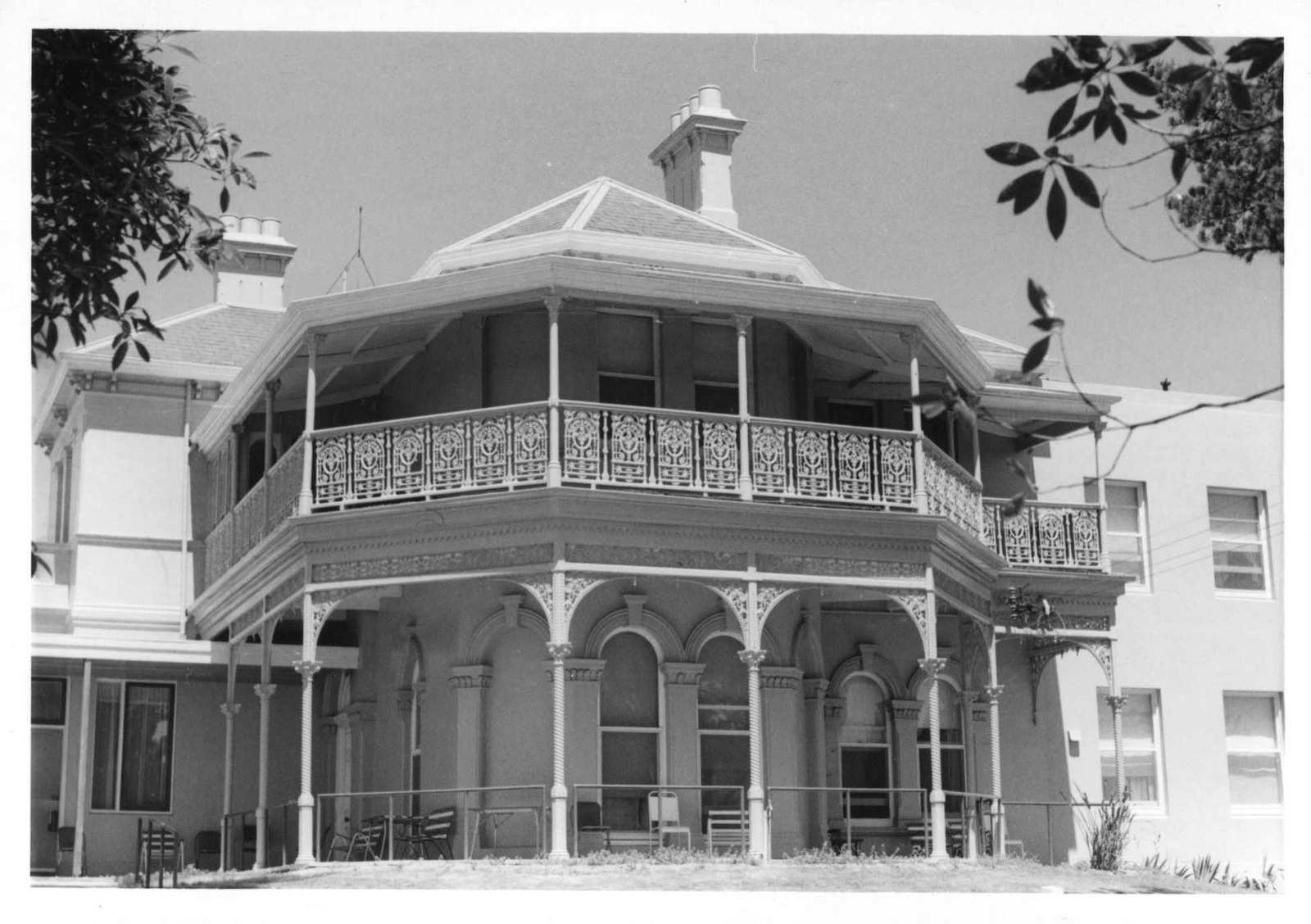
Hurlingham was established by The Carry On Club Victoria in Brighton in 1946. It accommodated ‘under-privileged boys aged 10-16 who were the sons of ex-servicemen and women’, including some wards of state. Hurlingham was closed in 1963. In 1955, the Carry On Club of Victoria applied for the ‘Carry On Club Home “Hurlingham”‘ to be…
Dec 17, 2025
Dec 18, 2024
Nov 15, 2024