The Child Welfare Department was created in 1923, when the Child Welfare Act was introduced. Although it continued the work of the State Children’s Relief Department, it was supervised by the Minister for Public Instruction, rather than the State Children’s Relief Board, and was part of the Department of Public Instruction. The Child Welfare Department took over industrial schools and reformatories, as well as maintaining its supervision of boarded out children and apprentices. As the Child Welfare Act introduced legal adoption, the Child Welfare Department regulated and recorded adoptions. It was renamed the Department of Child Welfare and Social Welfare in 1970.
The Child Welfare Department lasted for nearly fifty years. Throughout that period boarding out, or fostering, remained the main focus of the Department’s work, but more varied systems were put in place and the numbers of institutions increased.
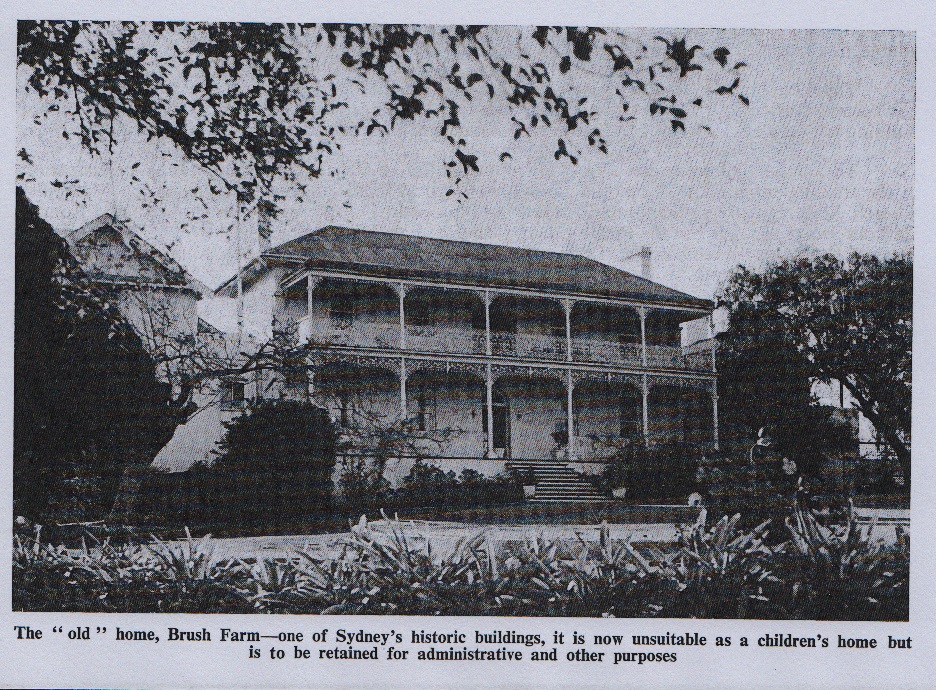
When the Department was created in 1923 it assumed responsibility for institutions that had been used for reformatory purposes, such as Gosford Farm Home and Parramatta Industrial School for Girls.
During the 1930s and the 1940s a series of inquiries into these homes found they had been poorly administered, that punishments were not recorded properly, and that children were being mistreated. These reports resulted in some improvements, and argued children were in a sensitive developmental phase, and could benefit from guidance. Importantly, the idea that families could be supported to keep their children and that removal was a last resort began to take hold.
From the 1940s the probation system that had been in use since 1905 changed into the idea of ‘child guidance’, and child guidance clinics were introduced to children’s courts, institutions and, in some cases, schools. At the same time the Child Welfare Department began to develop a staff of trained social workers. While children continued to be removed, and many families found social workers overbearing, and Aboriginal families struggled to be recognised by the Department, it was beginning to develop a broader approach to social problems.
In 1952 the Director of the Child Welfare Department promoted the Department in The Australian Women’s Weekly:
To rehabilitate the family is the first objective of the department … If we can get the home going properly again, then the children are returned to their parents. The best way for a child to grow up is with its own family.
First, our trained social workers do everything they can to help the family, especially if the home is suffering through the ill-health of the mother or the desertion of one of the parents.
Hicks told the Women’s Weekly that of the 1700 children who came to the Department’s attention in the previous year, 13% had been removed. When that occurred:
The children are taken to special State Homes, where they are medically examined before being sent to homes with other State wards.
“Because one of the most important influences in a child’s upbringing is the spiritual and moral influence of good family life, we try to get foster parents for each child,” said Mr Hicks. “In many cases the child may remain with the foster parents for the rest of his childhood. In some cases the parents improve their conditions and have the child returned to them,” he added.
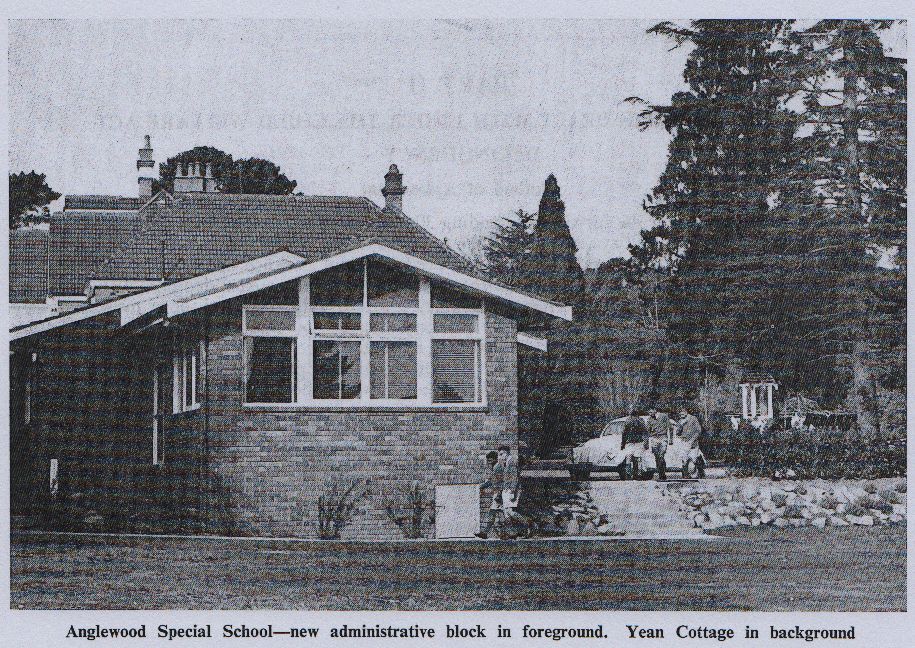
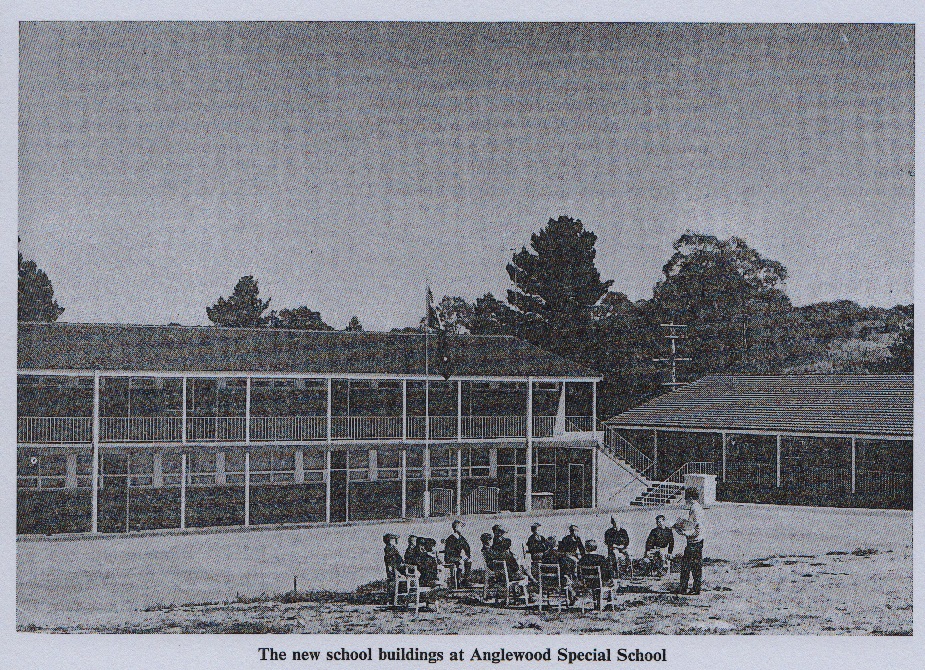
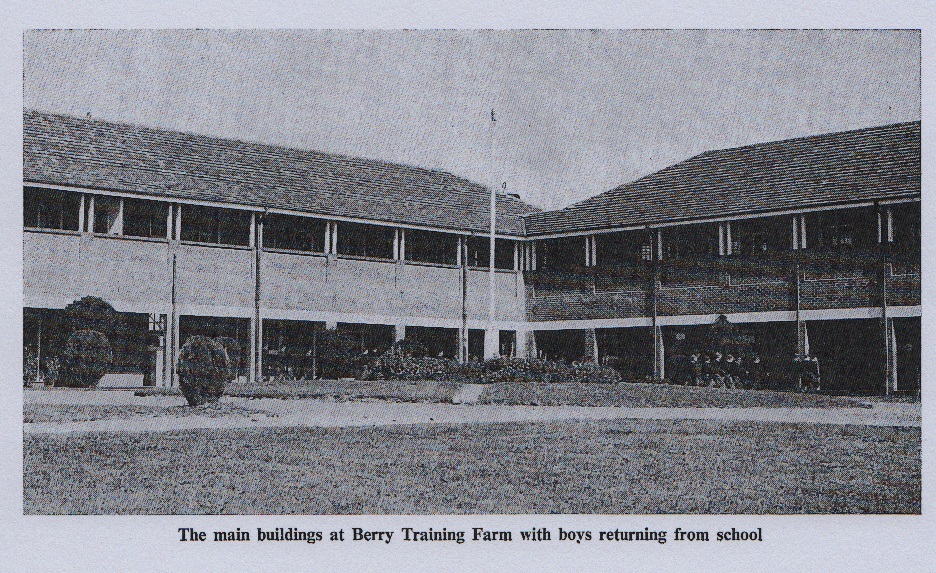
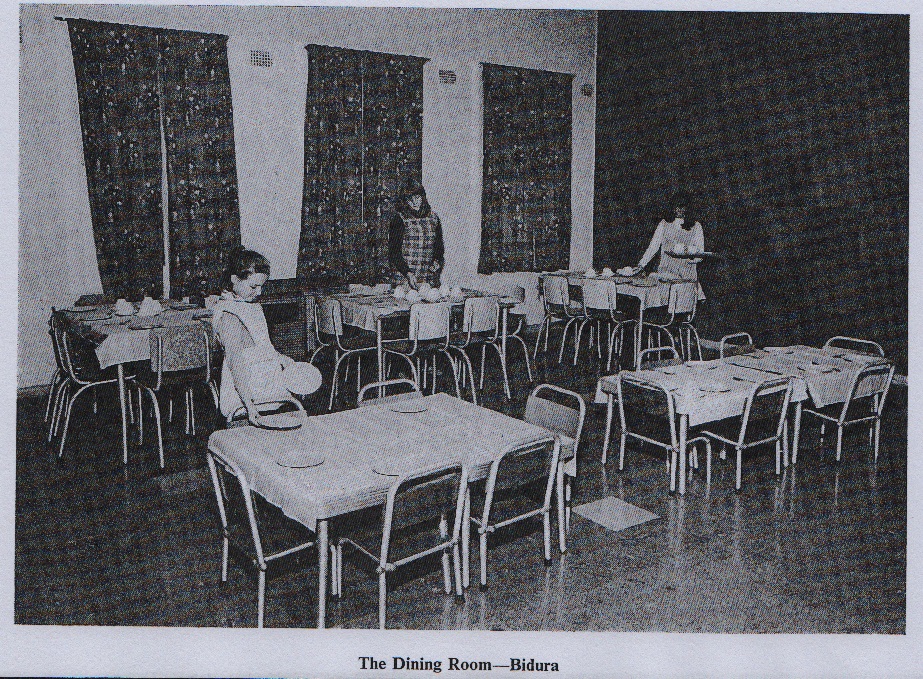
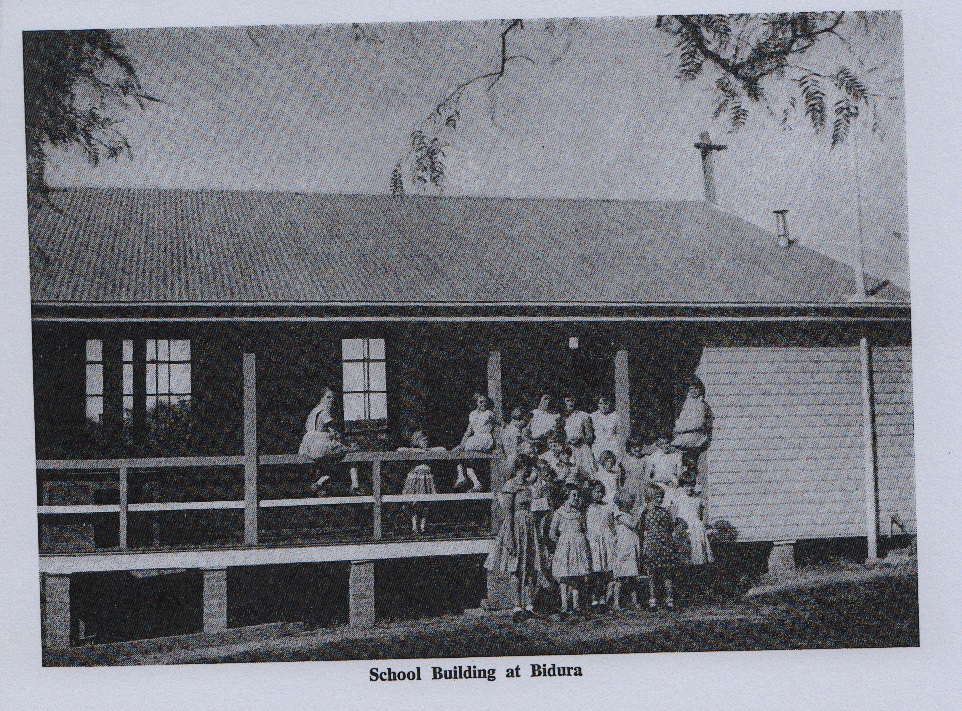
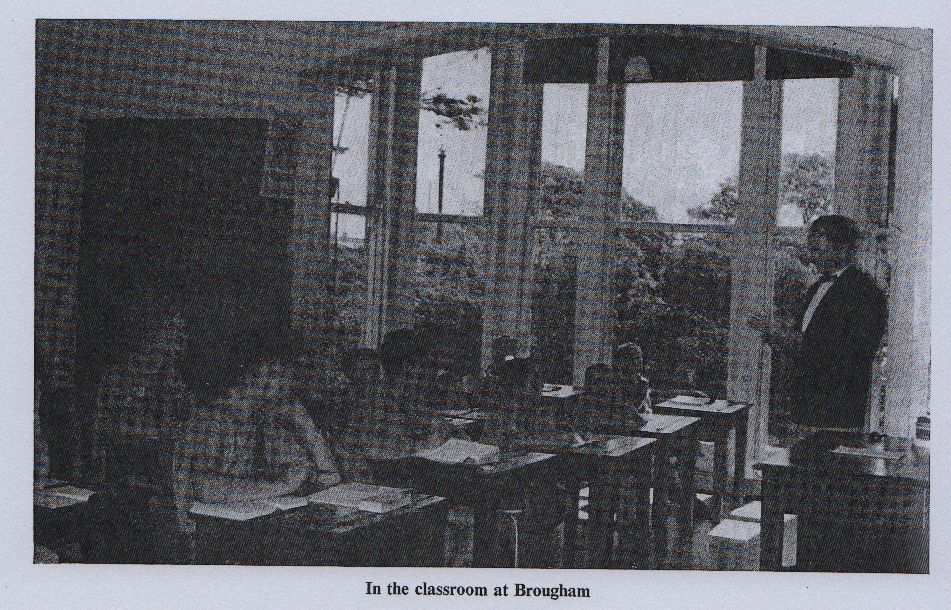
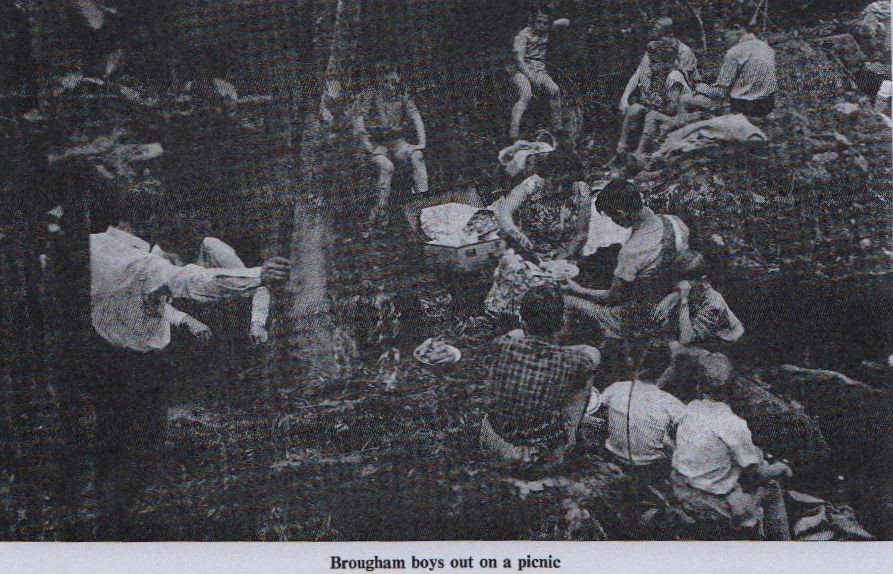
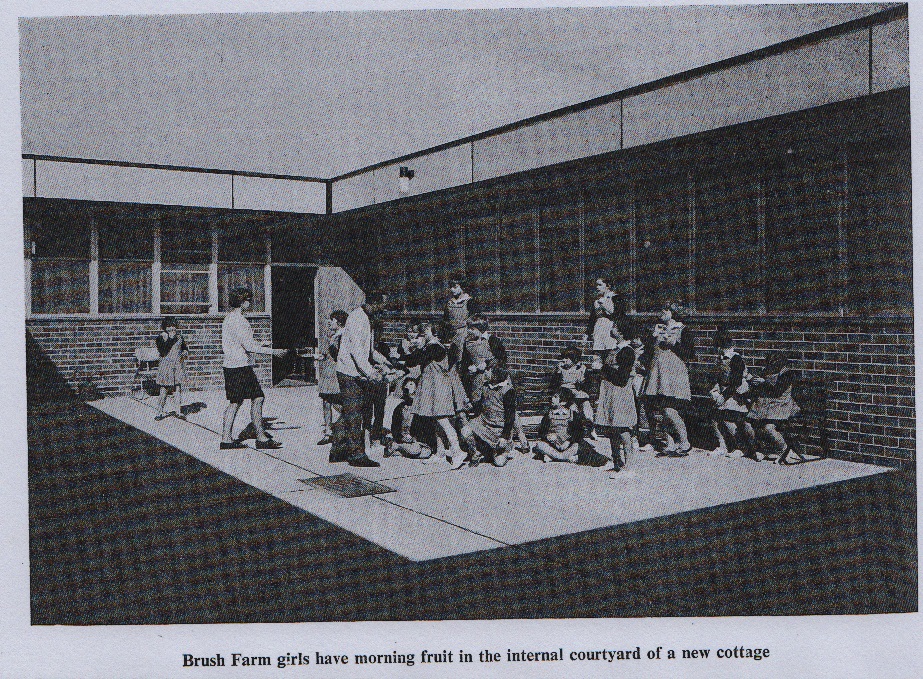
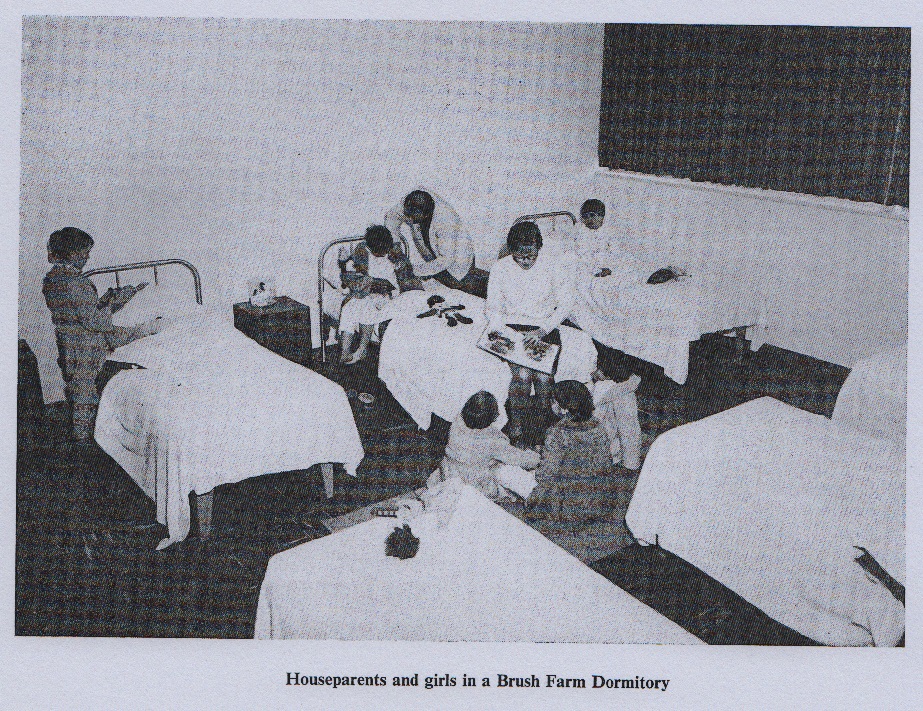
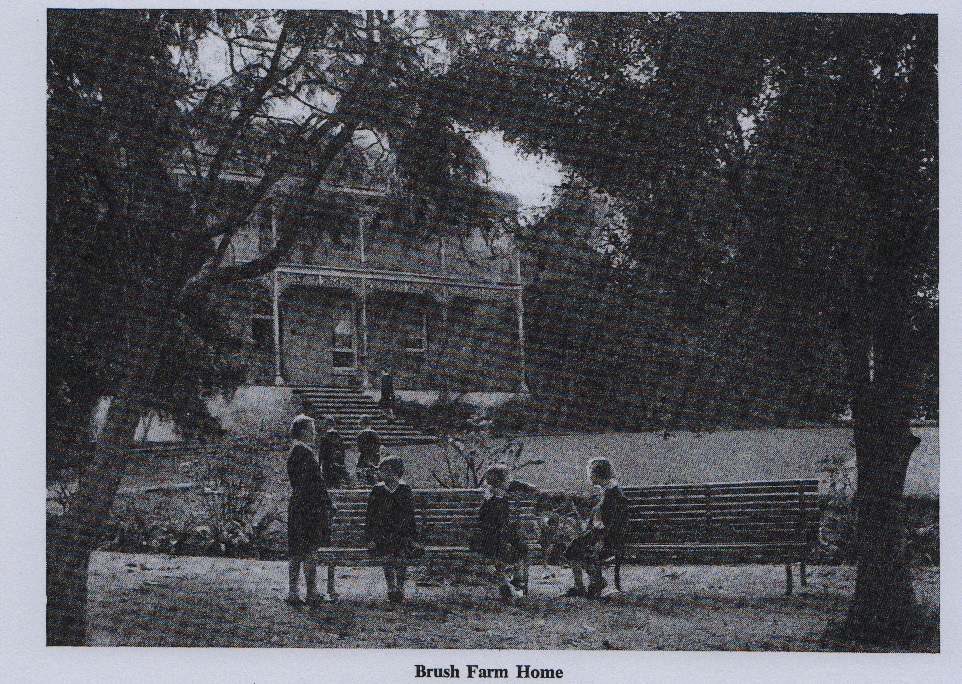
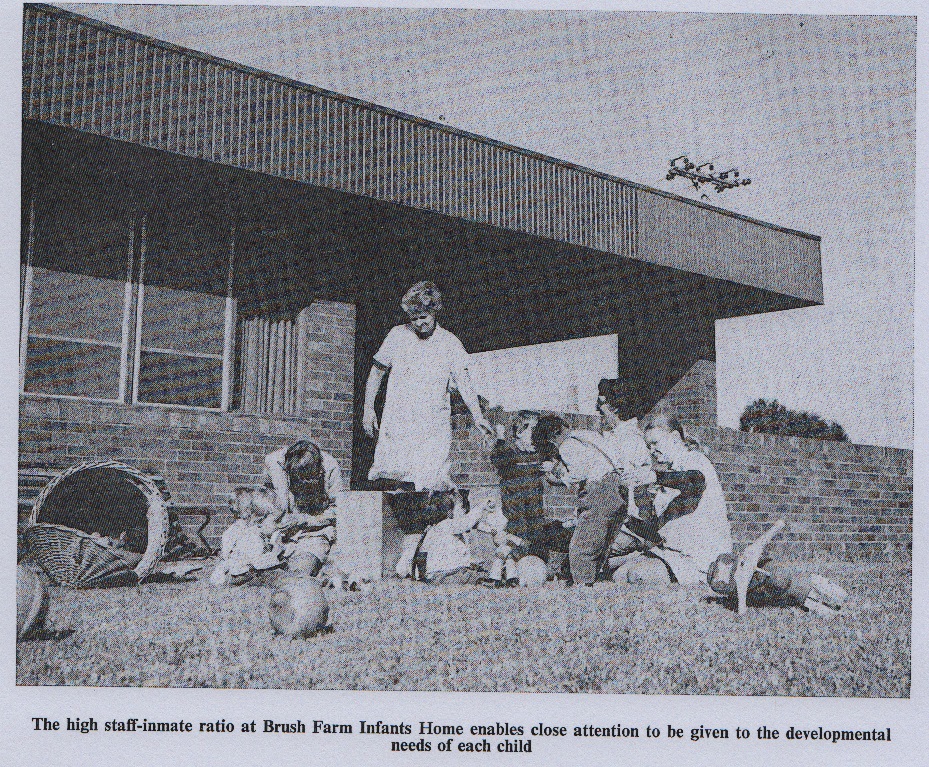
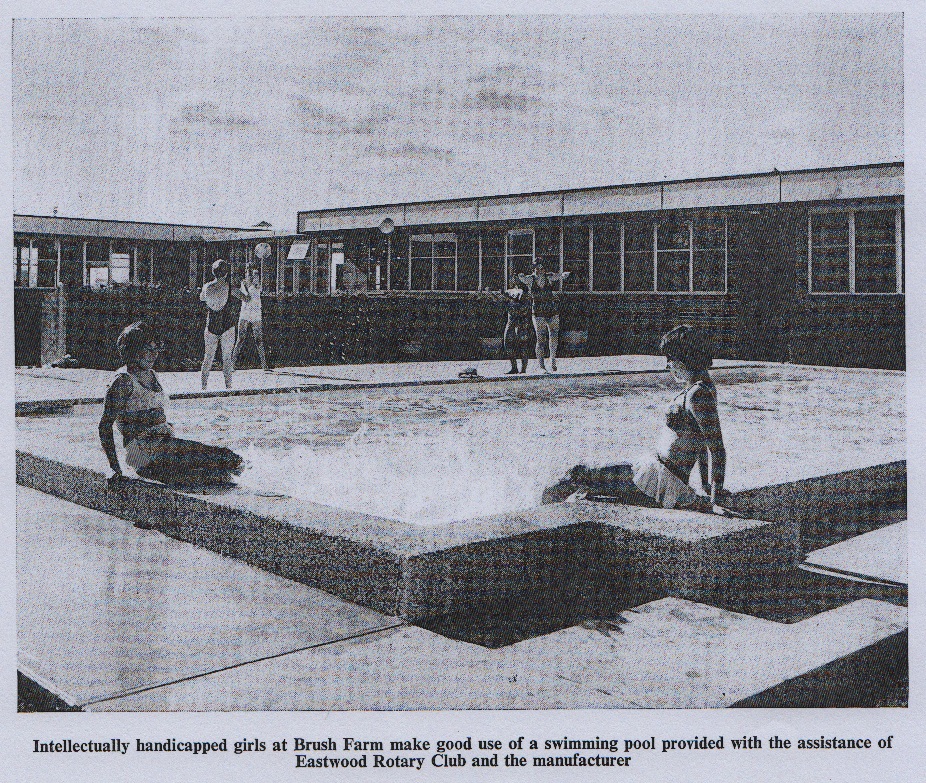
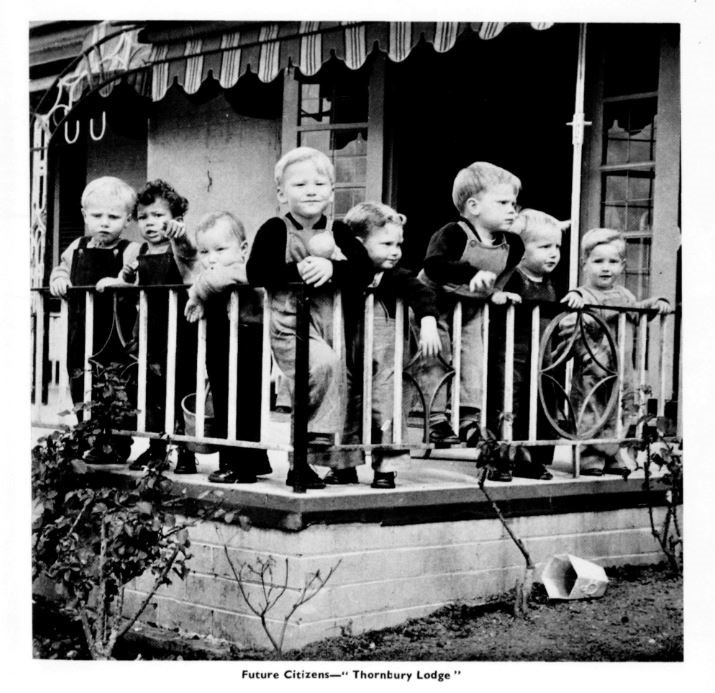
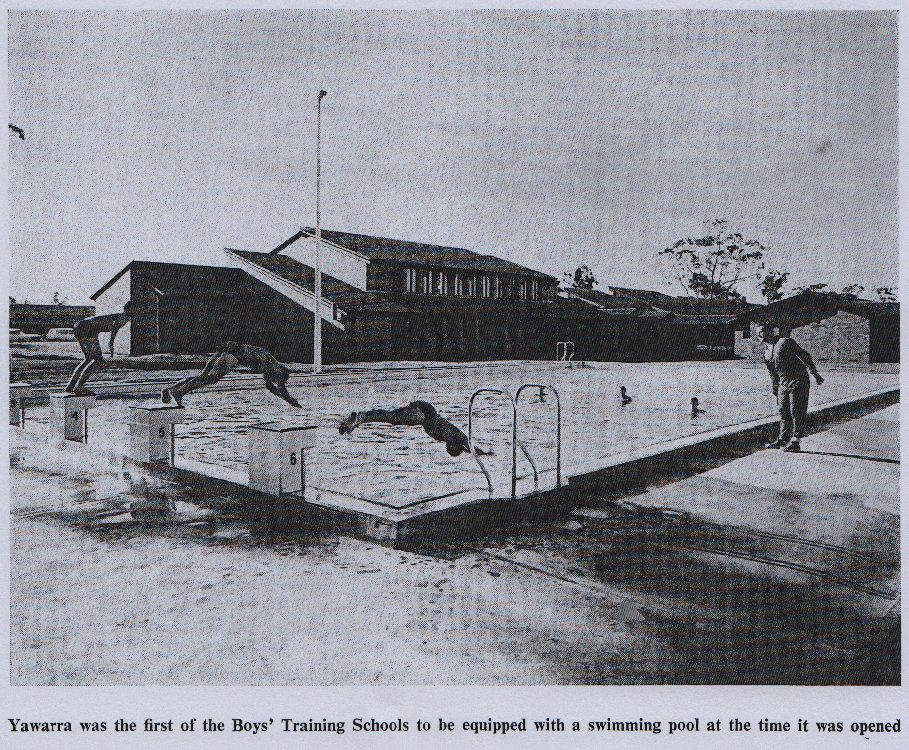
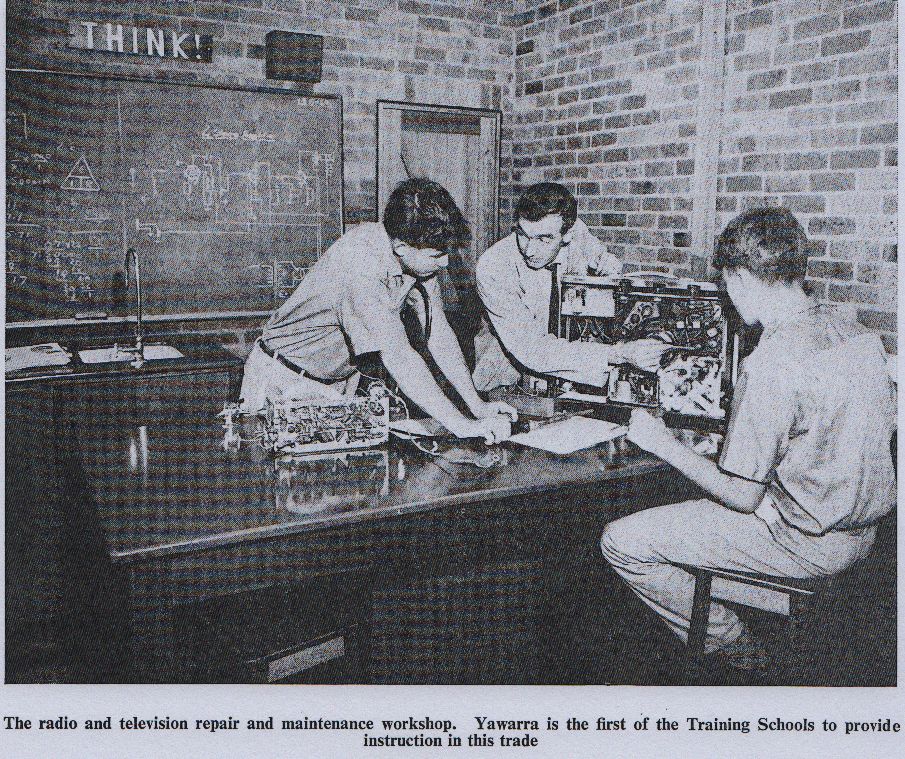
Hicks gave no statistics as to the numbers of children in foster care compared with institutions, but as so many former foster children report multiple placements and being moved from institution to institution, it seems Mr Hicks was painting a rosy picture of his Department’s practices. From the 1950s onwards the Department also developed a range of institutions that were designed to provide specialised care to certain categories of children. Often children were placed in them because foster care did not work out or could not be found.
During the 1950s increasing numbers of Aboriginal children were taken into the Child Welfare Department, and its institutions. After 1969, when the Aborigines Protection Board was abolished, the Child Welfare Department assumed responsibility for all Aboriginal children in New South Wales, and for the Aboriginal institutions at Cootamundra and Kinchela.
From the late 1950s the Child Welfare Department was an enthusiastic participant in promoting adoption as an alternative to foster care or institutions, and it and its social workers arranged adoptions. It was also closely associated with forced adoptions.
There was a section of the Child Welfare Department called the Special Field Squad. Its officers, often working with police, inspected children who were selling items on the street, performing or engaging in other public work. These officers also inspected fun parlours, transport hubs, picture shows, parks and dance halls seeking children they considered were inadequately supervised by their parents.